 In a few minutes, when this sermon comes to an end, we will all stand together as we do every week and recite the Nicene Creed in which we will say that, among other things, we believe that Jesus Christ
. . . will come again in glory to judge the living and the dead, and his kingdom will have no end. (BCP 1979, page 359)
In the Apostle’s Creed said at Morning and Evening Prayer, and in our Baptismal Covenant, we affirm our expectation that “he will come again to judge the living and the dead.” (BCP 1979, pages 96, 120, and 304)
In the course of the Eucharistic Prayer we re-affirm this this belief by saying (as we will in Prayer C this morning), “We celebrate his death and resurrection, as we await the day of his coming.” (Pg 371) We say something very similar in Prayer A: “Christ has died. Christ is risen. Christ will come again.” (Pg 363) In Prayer B: “We remember his death. We proclaim his resurrection. We await his coming in glory.” (Pg 368) And in Prayer D, we offer our gifts “recalling Christ’s death and his descent among the dead, proclaiming his resurrection and ascension to [the Father’s] right hand, [and] awaiting his coming in glory.” (Pg 374)
 In Nigerian writer Chinua Achebe’s novel of post-colonial political intrigue in Africa, Anthills of the Savannah (1987), one of the characters (echoing Karl Marx’s famous aphorism about religion) opines:

 A lawyer asked Jesus a question to test him. “Teacher, which commandment in the law is the greatest?” He said to him, “’You shall love the Lord your God with all your heart, and with all your soul, and with all your mind.’ This is the greatest and first commandment. And a second is like it: ‘You shall love your neighbor as yourself.’ On these two commandments hang all the law and the prophets.”
 I’m wearing an orange stole today and a couple of you asked me on the way into church, “What season is orange?” Well, it’s not a seasonal stole … although I suppose we could say it commemorates the season of unregulated and out of control gun violence. A few years ago, a young woman named Hadiya Pendleton was shot and killed in Chicago; her friends began wearing orange, like hunters wear for safety, in her honor on her birthday in June. A couple of years ago, Bishops Against Gun Violence, an Episcopal group, became a co-sponsor of Wear Orange Day and some of us clergy here in Ohio decided to make and wear orange stoles on the following Sunday. Our decision got press notice and spread to clergy of several denominations all over the country.
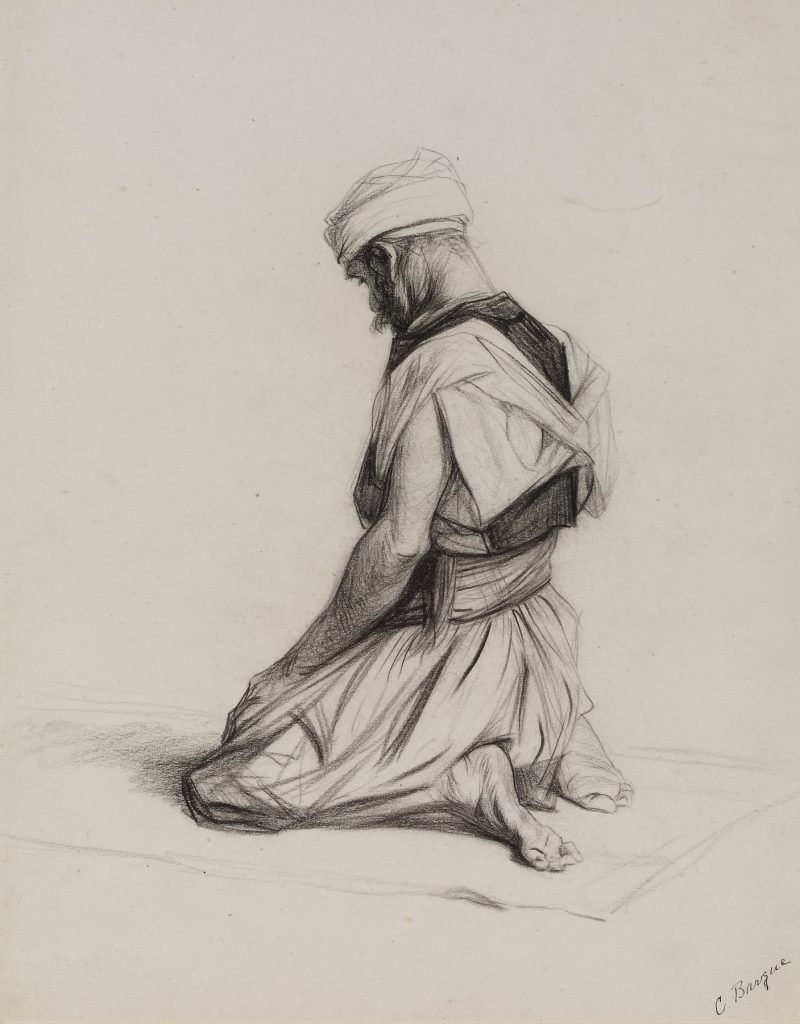 Authority. The authority of Jesus Christ is what Paul writes about in the letter to the Philippians, in which he quotes a liturgical hymn sung in the early Christian communities:
 Sweet Holy Spirit, sweet heavenly dove,
 Recovery. It’s what they call the process that comes after surgery. A physician cuts you open, spends a few minutes or hours doing whatever needs to be done, sews (or staples or glues) you up, and they wheel you out of the surgical theater and into the recovery room. Recovery has started, but when you leave the recovery room it isn’t over. It goes on and on for days, weeks, even months.
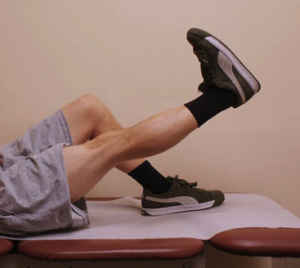 When I told friends, colleagues, and parishioners I was contemplating a total knee replacement, the singular piece of consistent advice was, “Do the exercises! Keep up with the therapy!” The surgeon who was to do the deed gave me a booklet full of pre-operative exercises to do at least twice each day; that seemed doable and it was – twice a day for six weeks before surgery.


