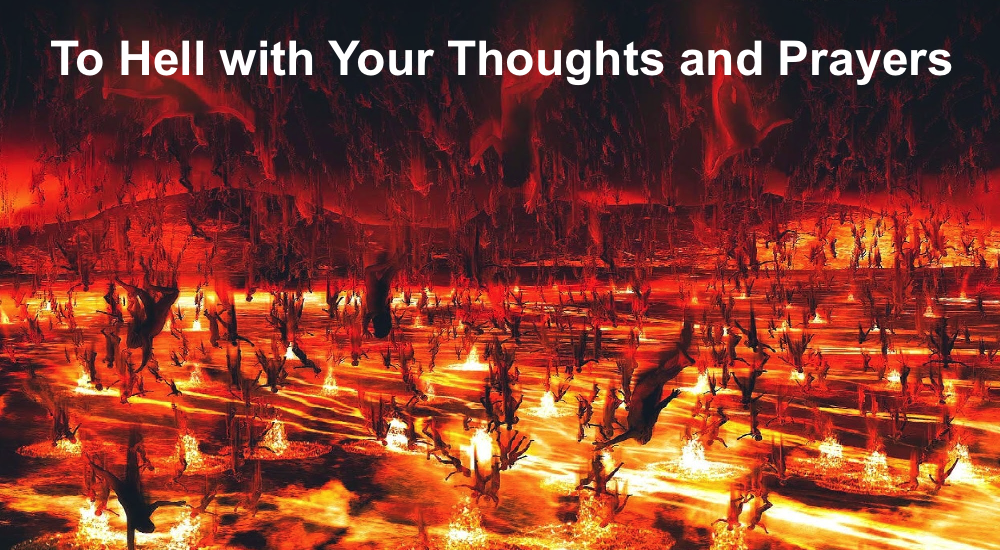
(Note: This essay began as a Facebook post, but I thought I would put it here, too.)
Let’s get something straight. “Thoughts and prayers” don’t solve; they salve. “Thoughts and prayers” are not salutary; they are palliative. “Thoughts and prayers” don’t provide a cure; they provide comfort.
“Thoughts and prayers” are all well and good, but they are not an end in themselves. “Thoughts and prayers” must lead to actions or they are simply meaningless futility. “Show me your faith apart from your works, and I by my works will show you my faith. You believe that God is one; you do well. Even the demons believe—and shudder. . . .[F]aith apart from works is barren . . . [F]aith without works is also dead.” (James 2:18-20,26)
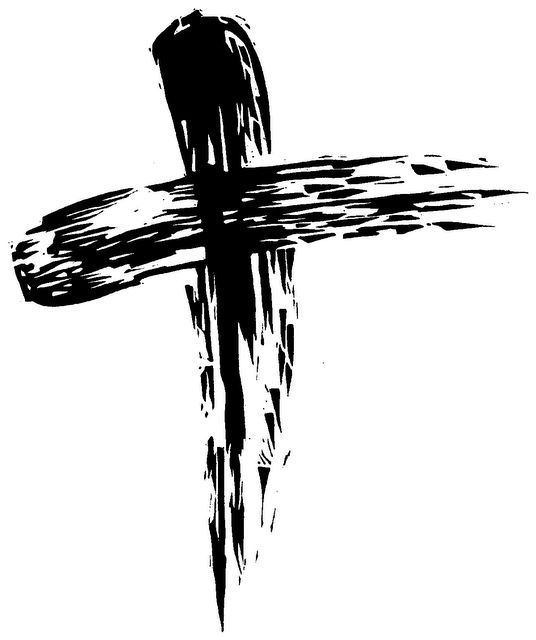 So we once again find ourselves at the beginning of Lent, this Day of Ashes on which we are marked with a sign of death, grief, and penance, and encouraged to enter into a time of fasting, a time of “giving up.” What are you giving up for Lent? We have all heard that question; we have probably asked it of others.
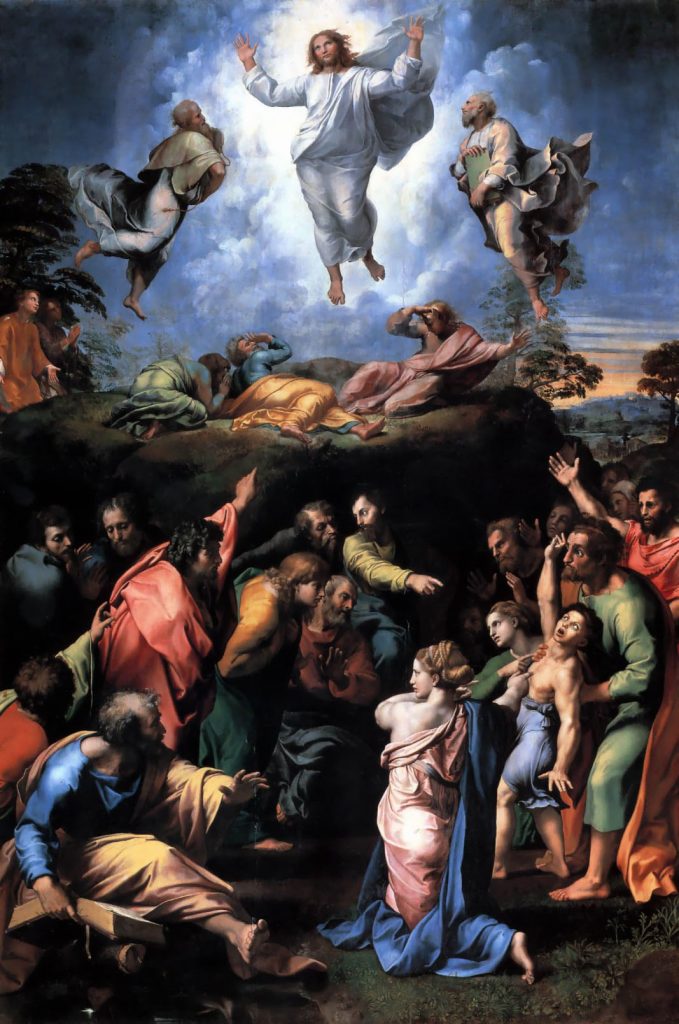 Preachers often focus on Peter’s unthinking outburst offering to make three dwellings for Jesus, Elijah, and Moses on the mountain of the Transfiguration. Such booths would concretize his all-to-human desire to experience continually the radiance of God. Life, however, is not like that; it’s not all mountaintop highs. Life is full of ups and downs, both high mountaintops and low valleys.
 You all know the truth of the statement, “You can’t take it with you.” What you may not know is that that sentiment is straight out of the New Testament! St. Paul, writing to the young new bishop Timothy, says, “We brought nothing into the world – it is certain that we can take nothing out of it.”
 “The Lord your God will raise up for you a prophet like me from among your own people; you shall heed such a prophet.”
 A couple of months ago, I was part of a conversation among several parishioners about the set-up for our celebrations of the Nativity. We looking at our plans for Christmas services, and a member of our altar guild exclaimed, “That’s the problem! Things are always changing around here!”
 Introductory Comment:
 Why do we do this? Why do we gather when a loved one dies and hold assemblies like this? Most human beings believe that death is not the end of the person who has passed away. Except for the few human beings who really strongly subscribe to an atheist philosophy, and they truly are a minority of our race, everyone on earth belongs to some faith group which teaches that we continue on, whether it is by reincarnation or in the Elysian Fields or the happy hunting grounds, as a guiding ancestral spirit or at rest in the presence of our Lord. So why do we do this?
 Christmas is now done. It ended Friday on Twelfth Night. I am sure than none of you, good Anglican traditionalists that we all are, put away any of your decorations before then, but have by now put them all away.

