 While making a presentation at a conference about teaching English as a second language, an expert in the field remarked that one of the difficulties is that there are many instances in English when a double-negative renders positive meaning and this is confusing for non-English speakers. “It’s fortunate,” she said, “there’s no way in English that a double positive can convey negative meaning.”
From the back of the room a voice spoke up, “Yeah, right.”
Now when that story is written, the sarcasm of that double positive giving negative meaning is hard to indicate; in fact, it is impossible. And yet it will probably be understood by a native speaker. For the non-English speaker, however, discerning the sarcasm and humor is difficult. Inflection and tone of voice can and do drastically alter meaning and understanding.
 Two things happened last Saturday.

 Lenten Journal, Day 39, Palm Sunday
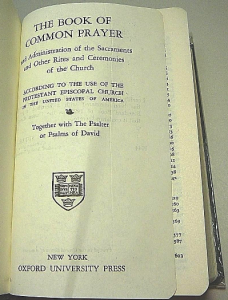 Lenten Journal, Day 36
 Lenten Journal, Day 29
 I’m not preaching this week, but if I were . . .
 Lenten Journal, Day 20
 Lenten Journal, Day 13
 Lenten Journal, Day 6


