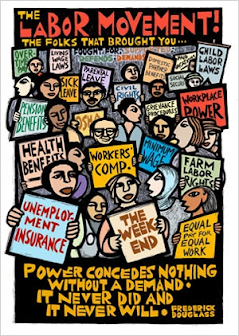
You, who are on the road
must have a code
that you can live by.
And so become yourself
because the past is just a good bye.
Teach your children well . . . .
If you are as big a fan of the folk rock of the 1970s as I am, you will recognize the opening lines of Crosby, Still, Nash & Young’s 1970 hit Teach Your Children.[1] Graham Nash who wrote the song has said that it was inspired by a 1962 photograph take by Diane Arbus of a young boy in New York’s Central Park playing with a toy hand grenade. I have no reason to disbelieve that, but I wonder also if today’s lesson from the Book of Deuteronomy, Moses’ farewell address to the people he has led through Sinai to the brink of the Promised Land, might also have been in Nash’s mind. The song is a neat paraphrase of what Moses says.
 Children, as those of us who have had or who have been children know, grow in their ability to communicate. Vocabularies grow. Grammars develop. They move from simple one- or two-syllable concepts – such as “Mama” or “Dada” or “NO!” – to more complex ideas.
 At the end of our gospel lesson this morning, Jesus said to the crowd, “It is my Father who gives you the true bread from heaven. For the bread of God is that which comes down from heaven and gives life to the world.” They said to him, “Sir, give us this bread always.” Jesus answered, “I am the bread of life. Whoever comes to me will never be hungry, and whoever believes in me will never be thirsty.”
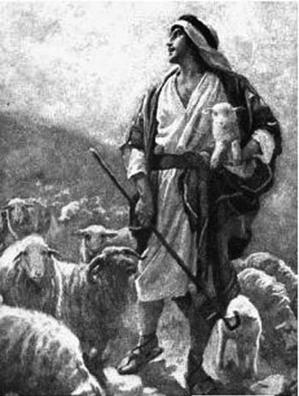 Most of the Bible texts from the Revised Common Lectionary this week present us with the well-worn and comfortable Biblical image of sheep and shepherds. Jeremiah rails against the shepherds of Israel “who destroy and scatter the sheep of [the Lord’s] pasture,”
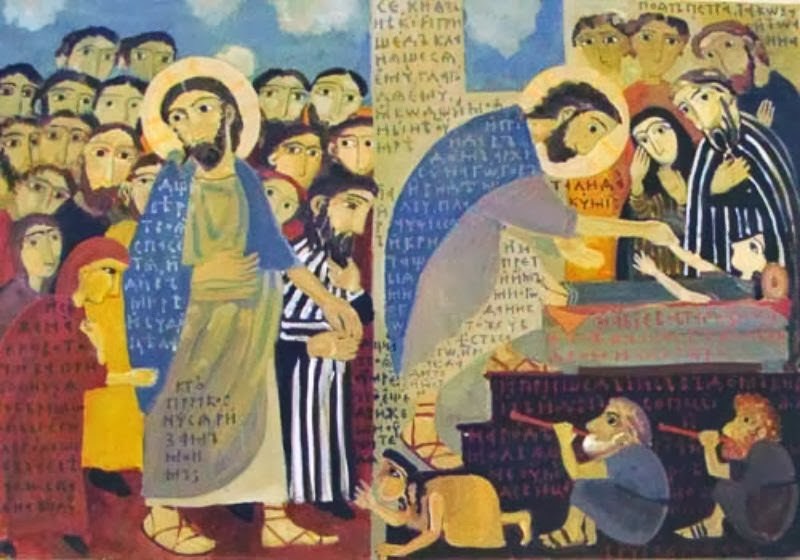 It had gone on so long she couldn’t remember a time that wasn’t like this. She lived in constant fear. She wasn’t just cranky and out-of-sorts; she was terrified. Her life wasn’t just messy and disordered; it was perilous, precarious, seriously even savagely so. It was physically and spiritually draining, like being whipped every day.
 Our kids this week have been “Shipwrecked,” but they’ve also been “rescued by Jesus.”
 The theme for today’s lessons is clear . . . we are almost “hit upside head” with the concept of Sabbath. Our reading from Deuteronomy is the law establishing the mandatory day of rest:
 Some of you may have heard of Brooks’s law, which has to do with the time it takes to complete a software project. It’s similar to the general law of diminishing returns in economics. Professor Fred Brooks of the University of North Carolina first proposed the law in 1975; it holds that “adding manpower to a late software project makes it later.”

